
19th-century China
Mahjong is commonly traced to 19th-century China, particularly the Yangtze River Delta. It grew from earlier Chinese card and tile traditions into the four-player game recognised today.


From old tables to new friendships
A game shaped across generations, continents and communities—always with connection at its heart.
Start your own storyMahjong is commonly traced to 19th-century China, particularly the Yangtze River Delta. It grew from earlier Chinese card and tile traditions into the four-player game recognised today.
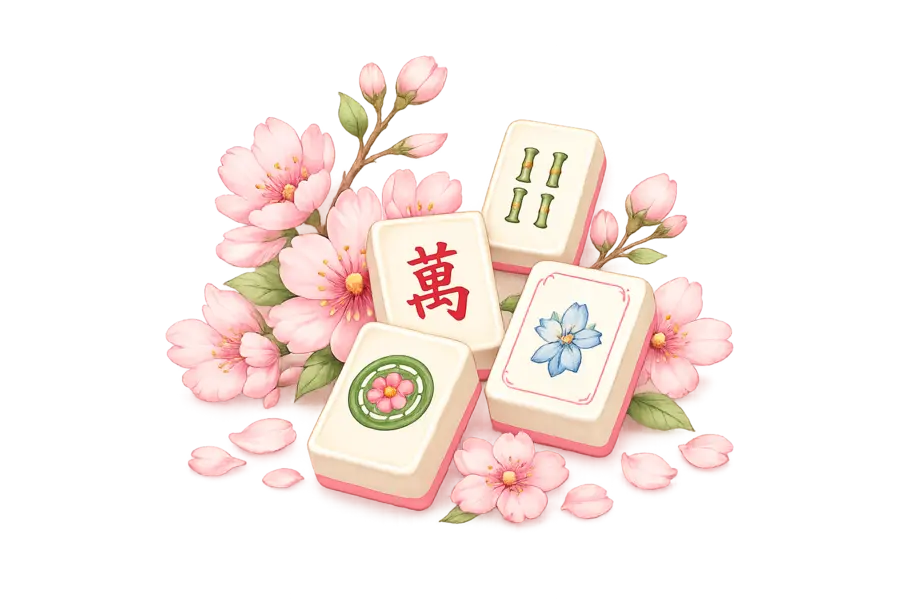
By the early 20th century, regional forms of Mahjong had spread through China and into neighbouring communities, each developing its own customs, hands and styles of play.

During the 1920s, Mahjong became a fashionable social pastime in Europe and the United States. Imported sets, instruction books and home games helped it find new audiences.
American play developed its own distinctive rhythm. The National Mah Jongg League was founded in 1937, and its annual card, jokers and Charleston exchange became central to the version many players know today.

Mahjong continues to cross cultures and generations. Rules may vary, but the familiar ritual remains: four seats, a table of tiles and time shared with other people.